
Choosing the Right Type of Attic Hatch
Selecting the correct attic access hatch is essential for energy efficiency and practical operation. With multiple materials and designs available, understanding your options allows you to make an informed decision.
This guide focuses on PVC attic access hatches — valued for durability and thermal performance — and covers sizing, installation, insulation, and weatherproofing considerations so you can choose the best solution for your home.
What Are the Key Types of Attic Access Hatches Available?
Understanding the different hatch styles helps you compare performance, durability, and long-term efficiency.
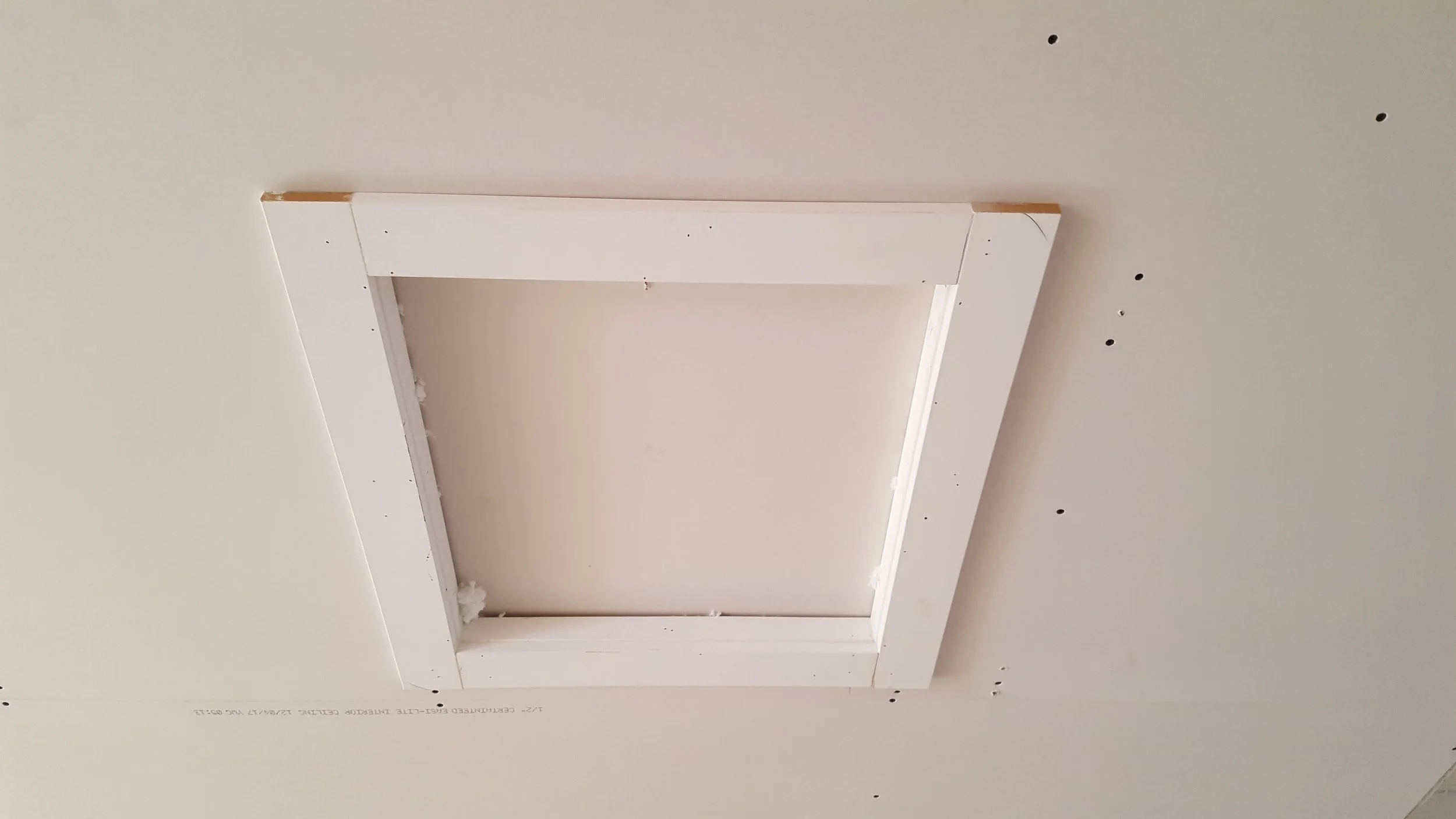
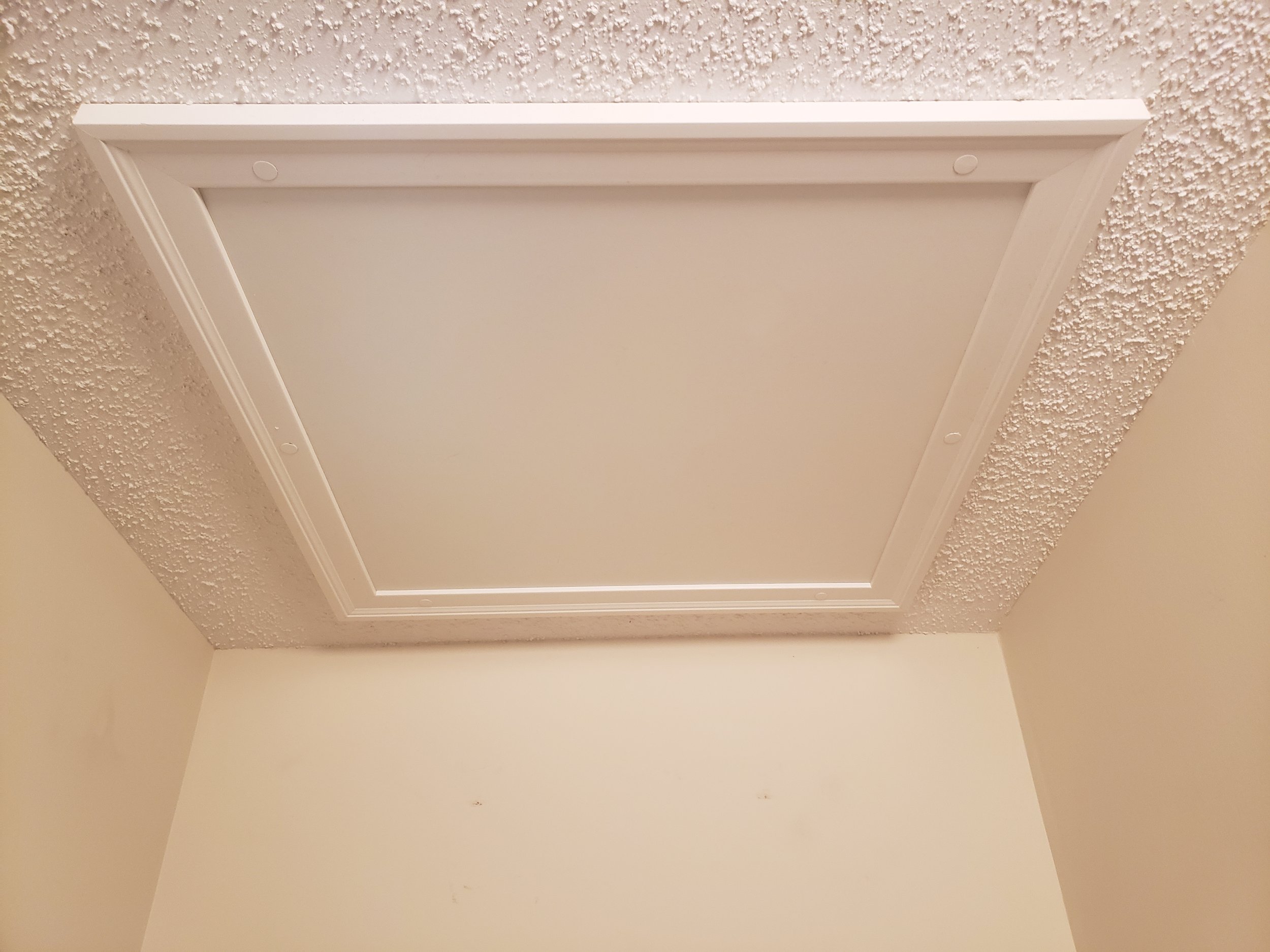
PVC Attic Access Hatch
Securely Fastened from Underneath
This style is designed to properly insulate and seal the attic opening. When securely fastened from below, it eliminates unwanted airflow and significantly reduces the risk of attic rain.
It is available in custom sizes and styles and can be installed in ceilings, laundry rooms, or even used as a wall hatch.
PVC Attic Access Hatch
Push-In Access
Push-in PVC models typically include a latch system to improve sealing performance. Most designs include a large insulated box that must be planned for during installation.
This option offers improved insulation compared to traditional wood hatches but requires sufficient attic clearance.
Wood Attic Access Hatch
Push-In Access
Wood or MDF attic hatches are often custom built on site. They typically include an insulated box but may not incorporate a latch system to create a tight air seal.
While they provide a traditional appearance, wood can be susceptible to moisture damage and warping over time.
Metal Attic Access Hatch
Push-In Access
Metal hatches usually include a small insulated door that provides basic insulation protection. Some manufacturers offer optional trim packages.
Although durable, metal units may not provide the same energy performance as properly sealed PVC systems.
By comparing these hatch types, homeowners can better understand which solution aligns with their insulation goals, moisture concerns, and long-term durability expectations.
PVC attic access hatches remain a popular choice due to their moisture resistance and improved energy efficiency. Trim Rite Mfg. specializes in manufacturing high-quality PVC attic access hatches engineered for durability, thermal performance, and custom sizing.
How Do PVC Attic Access Hatches Compare to Wood and Metal Alternatives?
Several factors distinguish PVC from wood and metal systems.
PVC offers excellent moisture resistance and long-term durability, making it well suited for humid attic environments. When properly installed, insulated PVC units can reduce heating and cooling loads and improve overall home comfort.
Wood maintains a traditional appearance and provides reasonable insulation but may degrade over time. Metal units, while durable, often provide limited insulation performance compared to modern sealed PVC systems.
What Are the Different Attic Access Door Types and Their Benefits?
Different attic layouts require different access solutions.
Pull-Down Ladders
Provide convenient access without permanent stairs. Less common in colder climates due to insulation challenges.
Hatch Doors
Simple ceiling openings that must be properly insulated and sealed to prevent energy loss.
Scuttle Holes
Smaller openings that allow attic access but typically require a ladder.
Each option serves a specific purpose. The best choice depends on climate, attic design, and energy-efficiency priorities.
How to Determine the Right Size for Your Attic Hatch
Choosing the correct size ensures safe access and proper sealing.
Custom sizing — available with PVC and select wood systems — accommodates non-standard openings often found in older or uniquely constructed homes.
A precise fit reduces air leakage, stabilizes indoor temperatures, and improves overall energy performance.
How to Measure Your Attic Opening Accurately
Accurate measurements are essential for selecting the correct hatch.
1. Gather tools
Tape measure, pencil, and paper.
2. Measure width and height
Measure in multiple locations to account for framing inconsistencies.
3. Record the largest dimensions
Use the largest measurements to ensure proper fit.
Installation Considerations for Attic Hatch Systems
Proper planning ensures long-term performance and safety.
Prepare the opening
Ensure the area is clear and structurally sound.
Follow manufacturer instructions
Installation guidelines are critical to maintaining performance standards.
Use proper tools and sealing materials
Drill, fasteners, and high-quality caulking ensure a secure installation.
How Insulation and Weatherproofing Impact Performance
Insulation and air sealing are critical to attic hatch performance.
Proper insulation helps maintain interior temperatures. Effective weatherproofing prevents moisture ingress and drafts. A well-sealed attic envelope maximizes thermal efficiency and reduces energy loss.
Research consistently demonstrates the impact of air sealing and insulation on overall home performance.
Energy Efficiency Benefits of Insulated PVC Attic Hatches
Insulated PVC attic hatches offer measurable benefits:
Reduced energy costs
Improved interior comfort
Greater moisture resistance
Lower environmental impact
These advantages make PVC systems a practical long-term investment.
How to Weatherproof Your Attic Access Hatch
To improve moisture resistance:
Seal gaps with weatherstripping or caulk
Install a vapor barrier where appropriate
Inspect regularly to ensure seal integrity
If drafts or moisture issues persist, upgrading to a custom-fit sealed PVC hatch may provide a more permanent solution.
Conclusion
Choosing the right attic access hatch improves safety, energy efficiency, and usability. PVC options stand out for durability and moisture resistance, making them a sound long-term investment.
By reviewing hatch types, sizing considerations, and installation requirements, homeowners can confidently select a solution that supports long-term performance.
Explore Trim Rite Mfg.'s attic access solutions to learn more.
